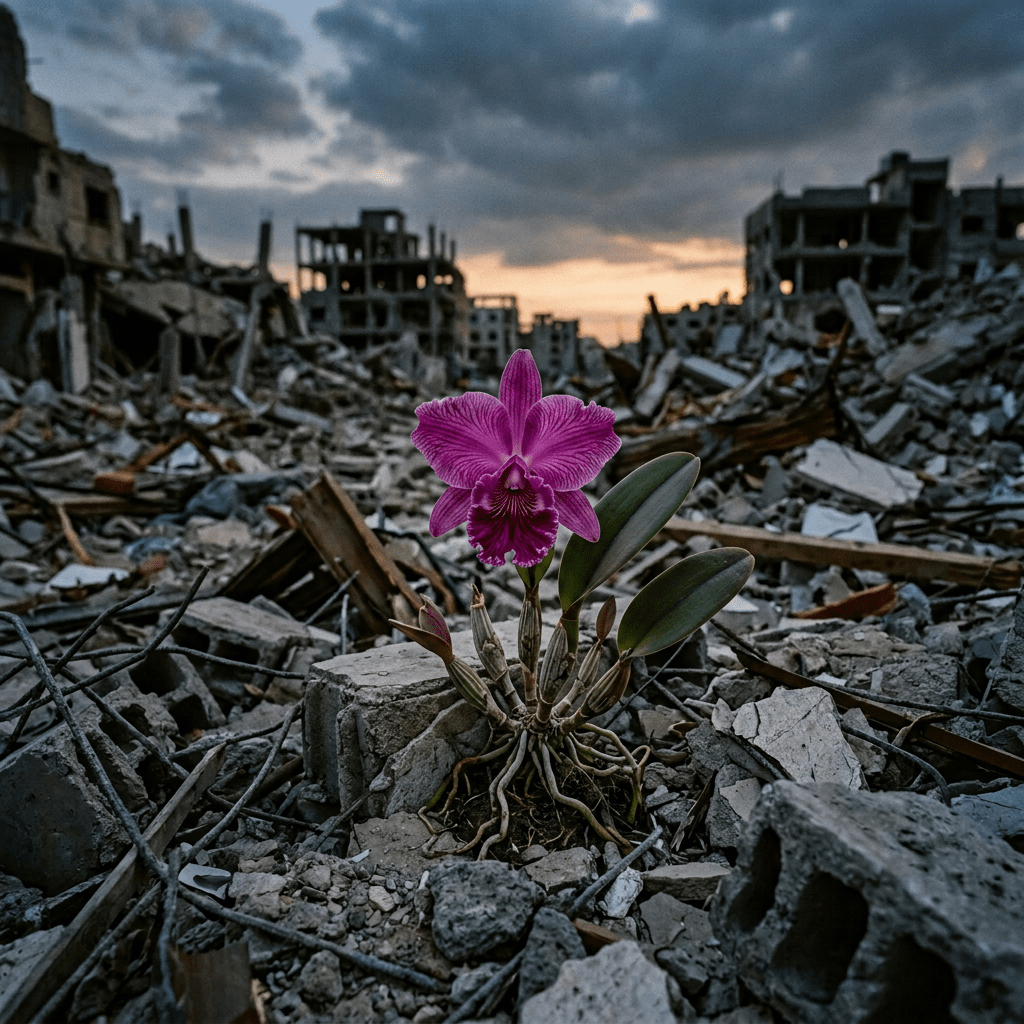
The twin earthquakes that struck Venezuela’s central region on June 24 exposed the failures of the Chavista regime under interim president Delcy Rodríguez, as the state’s emergency response was virtually nonexistent. The scale of the devastation was worsened by years of ignored building codes after the 1998 Vargas tragedy, repeated expert warnings following the 1967 earthquake about the danger of a future major quake, and decades of underinvestment in emergency infrastructure and equipment, leaving authorities unable to respond effectively when lives could have been saved.
On the eleventh day after the tragedy, Rodríguez and her cabinet declared national mourning, a move that felt far too late. They also went ahead with Independence Day celebrations on July 5, with thousands of officials in attendance who could have been helping with rescue efforts, making the gesture seem badly out of touch as the country continued to mourn and search desperately for survivors. Meanwhile, Venezuelans were left to organize volunteer relief efforts on their own, while military and police forces sought to take control of the coordination through intimidation and bribery.
People quickly created systems to register missing persons, collect donations, distribute medical supplies, set up shelters, move generators, and track humanitarian aid. Years of economic crisis and failing public services built strong habits of self-management, which is a symptom of a fragile state.
International aid arrived faster and more efficiently than the regime, which has long shown itself far more prepared to repress dissidents during opposition protests than to respond to national emergencies. But this article is not about them; it is about the people who showed up to help. It is a record of their resilience.
Donation centers around the world
Across the globe, Venezuelan communities and sympathetic supporters set up donation centers to collect food, medicine, clothing, and cash for earthquake victims. In cities with large diaspora populations, these hubs became coordination points where volunteers sorted, packed, and shipped supplies, often working late into the night to get help moving as quickly as possible.
Organizations including the We Love Foundation, Love Venezuela Foundation, Asonvear, FOCVA, and other local partners helped make these efforts possible by connecting donors, sorting supplies, and arranging shipments or humanitarian flights.
Software engineers for the sake of transparency
Software engineers and digital volunteers created online platforms to help locate people reported missing after the earthquakes in Venezuela. Desaparecidos Terremoto Venezuela by The Empire was designed to gather reports in one place, letting users enter names, last known locations, physical descriptions, and photos, and update cases once people were found. The initiative venezuelatebusca.com by Julia Alessandra Mariano works as a collaborative registry where users could report missing individuals and check for updates, although unofficial, so far the platform has registered 44,248 people missing since June 24, 17,891 of them are still missing and 26,357 have been located.
Yummy is a Venezuelan delivery and mobility platform, best known for its ride-hailing and food-delivery services. After the earthquake, the company launched an emergency coordination page to help with damage reports, aid delivery, and support for rescue efforts. The site lets people report structural damage with photos and locations, helping direct aid and rescuers to the places that need attention most. It also connects users to verified supply centers, emergency contacts, and other support services. Yummy is offering free rides for emergency workers, free telemedicine, journalists and a donation portal for relief efforts.
Photographer Juan Abreu created registrovenezuela.com, an independent initiative to preserve what happened in Venezuela after the earthquake. It gathers photos and videos from people who were there, with the goal of building a visual archive of the disaster, the response, and the recovery.
This initiative is important because it helps document events as they were actually seen on the ground, before they are forgotten, distorted, or rewritten. In moments of crisis, visual records can be lost or controlled, so preserving them creates a reliable memory of what happened. It also gives people a way to contribute their own testimony and helps ensure that the experience of those affected is recorded with dignity.
In addition, Venezuelan journalist Ernesto Andrés Fuenmayor created donarseguro.com, a verified directory of organizations with sources clearly shown. It is meant to help people support relief efforts with confidence and avoid scams. Through the site, you can choose how to help: donate money, volunteer, or send supplies. It’s a reminder to use trusted channels rather than unverified links or random donation requests.
Buying tools and equipment
People dug through collapsed buildings using their bare hands, courage, and help from family members of the missing. Many had no formal training, but they crawled into tight, dangerous spaces to search for survivors and recover bodies when official efforts were slow. While the regime was nowhere to be seen, volunteers took it upon themselves to buy the tools needed for rescue and cleanup. Shovels, crowbars, flashlights, helmets, gloves, generators, and first-aid materials were purchased through donations and direct fundraising, then delivered to the people doing the work on the ground.
ABC España reported that about 30,000 volunteers were involved, while soldiers arrived with weapons instead of rescue tools. It also noted that many families and civilians paid for heavy machinery, medical support, and cleanup efforts themselves because official response was too slow.
The motorcycle wave
Motorcyclists became an essential part of the relief chain and a wave of hope. Because they could move quickly through damaged roads and crowded streets, riders carried messages, transported supplies, and delivered urgent items where larger vehicles could not go.
Their role went far beyond transport. “We’ve taken supplies to hospitals, shelters, and the coast,” one rider said, adding that they would help “in whatever way we can.” That spirit captures why motorcyclists became, as Univision put it, “life-saving centaurs” in the streets of Caracas.
Volunteer kitchens
In neighborhoods and improvised shelters, volunteer kitchens appeared almost overnight. Hundreds of cooks and helpers are still preparing thousands of meals a day for survivors, rescue workers, and displaced families. Cocinando por Venezuela and Cocina Central Venezuela, with support from World Central Kitchen, organized large-scale food operations that relied on professional chefs, students, and ordinary volunteers to chop ingredients, cook, pack, and distribute meals.
Protecting the victims’ memories and possessions
Amid the rubble and the search for loved ones, protecting survivors’ and victims’ belongings became an urgent task. A video from La Guaira sparked outrage after showing National Guard officers reportedly finding cash among the debris, prompting accusations and demands from people at the scene that the bills be destroyed immediately rather than mishandled or lost. The incident fueled public anger and reinforced the need for clear, transparent procedures in the midst of chaos.
At the same time, the Chacao mayor’s office began recovering items from collapsed buildings and carefully separating photographs, documents, books, phones, and other personal keepsakes to return them to families. Officials said they set up a dedicated space to safeguard each object and identify it properly, even using residency records to help match items with their owners.
There were also moments of civilian resistance against looting: one video showed a citizen confronting five suspected thieves who were trying to steal from a collapsed structure, where families’ belongings and possibly victims’ remains were still at risk.
Beauty and emotional relief initiatives
Volunteer beauty groups are distributing makeup and offering free salon services to bring dignity and emotional relief to survivors. Female volunteers are handing out makeup kits in temporary camps across La Guaira, with items such as lipstick, lip gloss, eyeshadow, and blush. Organizers say the goal is not to meet basic survival needs, but to help restore normalcy and lift spirits.
At the same time, more than 20 stylists and barbers have formed mobile beauty teams, bringing free haircuts, washes, and manicures to shelters and encampments such as Las Minas de Baruta. In cities like Ciudad Guayana, barbers and stylists are also organizing donation-based haircut drives, exchanging services for medicines, food, and toys for children affected.
Ensuring aid reaches those who need it most
Volunteers label donated items and use tracking tools such as AirTags to follow shipments and confirm delivery to the intended families and communities. In some cases, they also write directly on the packages or cover barcodes to reduce the risk of resale, diversion, or unauthorized redistribution. In Venezuela, where many donors and aid groups distrust the regime’s institutions and security forces amid corruption and the politicization of humanitarian aid, this extra oversight helps ensure that the donated supplies reach people affected.
Beds for Venezuela
Building bunk beds has become a key initiative for maximizing space in shelters and emergency housing. The family-run welding business Rollerdors launched “Camas para Venezuela,” mobilizing carpenters, welders, volunteers, and local businesses to produce sturdy sleeping structures using metal frames, welding materials, cutting tools, and anti-corrosion paint. Businesses such as Todo Remolques Venezuela and Industrias Araujo have also contributed by adapting their workshops and donating materials or labor to support the effort that has built over a thousand beds.
The 3D printing community
Local makers were among the first to respond after the earthquakes, with Ostec3D sharing open-access files for thermoplastic splints and LayerLab, Bambu Lab’s distributor in the country, continuing to print hand splints and oxygen connectors while donating filament and printer time. Their work was later reinforced by a 48-hour Bambu Lab fundraiser for UN Crisis Relief, and by UCF Biomedical Engineering Society students, working with the American Association of Venezuelan Engineers, who launched Bracing Venezuela to produce orthopedic devices for injured people and animals.
Those who knew how to sew
Textile workers and volunteers turned sewing into emergency relief. Nakary Ramos’s solidarity campaign began making pillows for displaced families, while Vístete de Sueños and Taller Neo in Caracas repurposed discarded clothing into stuffing for cushions, small beds, and pet beds. Designer Efraín Mogollón even paused his fashion work to produce mortuary bags, showing how ateliers and workshops were repurposed to meet the most urgent needs of the crisis.
Making kids smile
Children were among the hardest hit, so volunteers made special efforts to bring them moments of joy. They organized games, coloring tables, music, toys, and small gifts—simple gestures that helped restore a sense of safety in the middle of chaos. Circus performers from Circo Los Valentinos brought free shows to families sheltering in La Guaira, shifting from rescue work to the stage to give children and parents a brief emotional break from the aftermath of the earthquakes. Their visit filled the refuge with laughter, applause, and a few hours of joy,
Stuffed animals hospital
Founded in 2017 by Lilian Gluck, the nonprofit Hospital de Peluches in Caracas now serves as a small source of comfort for victims of the earthquakes by cleaning, repairing, and donating stuffed animals and toys to children and families in need. Its philosophy is simple: reuse what has been forgotten to bring joy, healing, and dignity to people facing hardship.
An uphill battle to keep the Caribbean clean
Environmental organizations and civic groups have raised alarm over the handling of earthquake rubble along Venezuela’s Caribbean coast, warning that dumping debris into the sea could cause lasting damage to marine ecosystems. NGOs have documented alleged illegal dumping in areas such as La Guaira, demanded greater transparency about disposal sites, and urged authorities to follow international standards for hazardous waste management.
The UNDP estimates that the twin earthquakes generated 1.2 million tonnes of debris in the heavily affected La Guaira area alone. Of that total, about 915,000 tonnes came from destroyed building structures, including concrete, brick, and structural steel, while roughly 332,000 tonnes consisted of crushed household goods and personal belongings.
In Venezuela, groups including Fundación Azul Ambientalista and Fundación Viaja Verde have also pressed for independent monitoring and protection, and sustainable recycling of the debris while they do their best to clean the beaches with the help of Multirecicla and Taller Neo, a recycling company. At the same time, academic allies and environmental advocates are calling for stricter compliance with the Cartagena Convention and other regional protections for the Caribbean. The UN has identified the coastal sectors of Catia La Mar, Caraballeda, and Urimare as the highest-priority areas for urgent debris management.
When the state fails, it is ordinary people who are left to carry the burden of survival. Civil society responded with speed and solidarity… but it did so because it had no choice. Volunteers can rush in at the start, but they cannot replace a state that should have prevented the chaos, coordinated the response, and guaranteed reconstruction. What this tragedy truly exposes is not only the resilience of Venezuelans, but the cost of a broken state that forces citizens to do the work of institutions that should already be functioning.


Comment