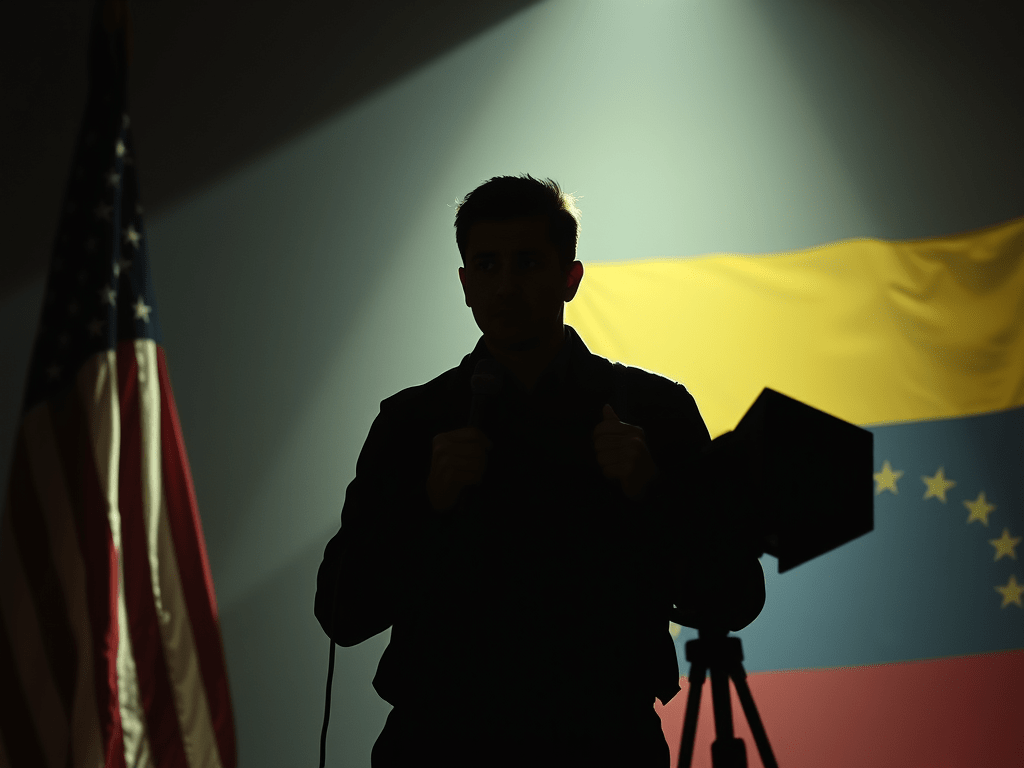
The arrests of journalists Don Lemon and Georgia Fort echo tactics used in Venezuela and other totalitarian regimes around the world. The Trump administration is criminalizing reporting, doing selective prosecution, and using security forces and judges to intimidate journalists. As a Venezuelan journalist, I find the familiarity is emotionally distressing.
What happened was not a threat, but an attack.
The intimidation and persecution of reporters should worry everyone who cares about a free press, and therefore, democracy. That episode feels disturbingly similar to methods long-used in my country: censorship tactics, selective enforcement, and bureaucratic pressures that make independent reporting risky.
In both countries, protections for speech exist on paper even as officials find ways to punish criticism. The patterns and parallels are demoralizing.
I’ve seen concrete events of that squeeze and demonization of journalism at home. White House Press Secretary, Karoline Leavitt, has openly attacked reporters during briefings, denying access, cutting off answers, or singling out outlets as “enemies” rather than treating them as part of a functioning press dynamic. She is no different from the various Ministers of Communications we’ve had like William Lara, Andrés Izarra, and Ernesto Villegas.
Late‑night hosts like Jimmy Kimmel and Steven Colbert have been publicly targeted with suspension. Even the White House Correspondents’ Dinner has been muted—no president, no comedian, and far fewer politicians and stars—illustrating how democratic rituals that once bridged the presidency and the press have been weakened. This reminded me of Luis Chataing’s late‑night program Chataing TV — a mix of political satire, sketches and interviews — was pulled from the air amid reported government pressure; that removal pushed broadcasters towards more self‑censorship.
What Could Come Next?
If the script continues to follow the Chavista playbook, satire programs could be next. In Venezuela, sketch‑centered comedy like Radio Rochela and its TV network RCTV, after 50 years of uninterrupted programming, were taken off the air when satirical episodes became intolerable to Hugo Chávez. A similar dynamic in the U.S. could put shows such as Saturday Night Live at risk of censorship or informal persecution, shrinking the space for political and cultural critique.
And it could get worse. In Venezuela, the regime then choked independent media by controlling newsprint and revoking broadcast licenses, passing broad “anti‑hate” rules, and sanctioning critics. Newspapers were forced to close, radio stations disappeared, and journalists were prosecuted or barred from reporting political events. These actions pushed us toward self‑censorship and left the public with fewer reliable sources of information.
When authorities use investigations, administrative rules, or public shaming to scare reporters or punish outlets, the effect is the same as overt censorship: sources stop talking, newsrooms pull back, and the public loses access to reliable information.
The Goal Is Media Hegemony
The goal was media hegemony. Media hegemony became an explicit objective of Chavismo and they achieved it. It started with rhetoric that is meant to fuel distrust information from independent sources. And some of the first the steps the Trump administration are taking feel identical:
- Consolidation of sympathetic channels by framing critical outlets as enemies,
- Delegitimizing journalism through rhetoric and legal or administrative pressure.
- Amplifying state‑friendly or partisan media.
- Using economic and regulatory levers to punish dissent.
And last, but not least:
- Take control over media ownership. The media goes from being a powerful private/independent ecosystem to becoming victims of outright state domination of the narratives.
The toolkit includes:
- Misinformation to shape narratives.
- Audience polarization.
- Figureheads from their lines as appointees to own or regulate content.
That erosion is gradual but real.
My advice might feel like a drop in the ocean. Know that although legal rights matter, they aren’t enough by themselves. Think one or two steps ahead. U.S. news organizations and civil‑society groups should strengthen safety plans for reporters, improve digital and source protection, and prepare legally for attacks. Lawmakers and oversight bodies must guard against the misuse of administrative powers.
The public and public servants should also back independent journalism and pay attention to media ownership.
Find guidance with those who have lived through similar and more mature systematic apparatus that target the media. There are also organizations that provide tools and assistance against such vulnerabilities.
But, most importantly, refuse to accept intimidation as normal.
It is my deepest wish, you don’t become us.
Organizations To Reach Out:
- Committee to Protect Journalists (CPJ) for monitoring, legal support, and safety resources.
- Reporters Without Borders (RSF) for investigations, advocacy, emergency assistance.
- International Consortium of Investigative Journalists (ICIJ) for investigative collaboration & training.
- Index on Censorship for advocacy, reporting, and support for censored writers.
- Freedom of the Press Foundation for digital security tools and training for journalists
- Tactical Tech — practical guides on data, threats, and digital risks for civil society


Comment