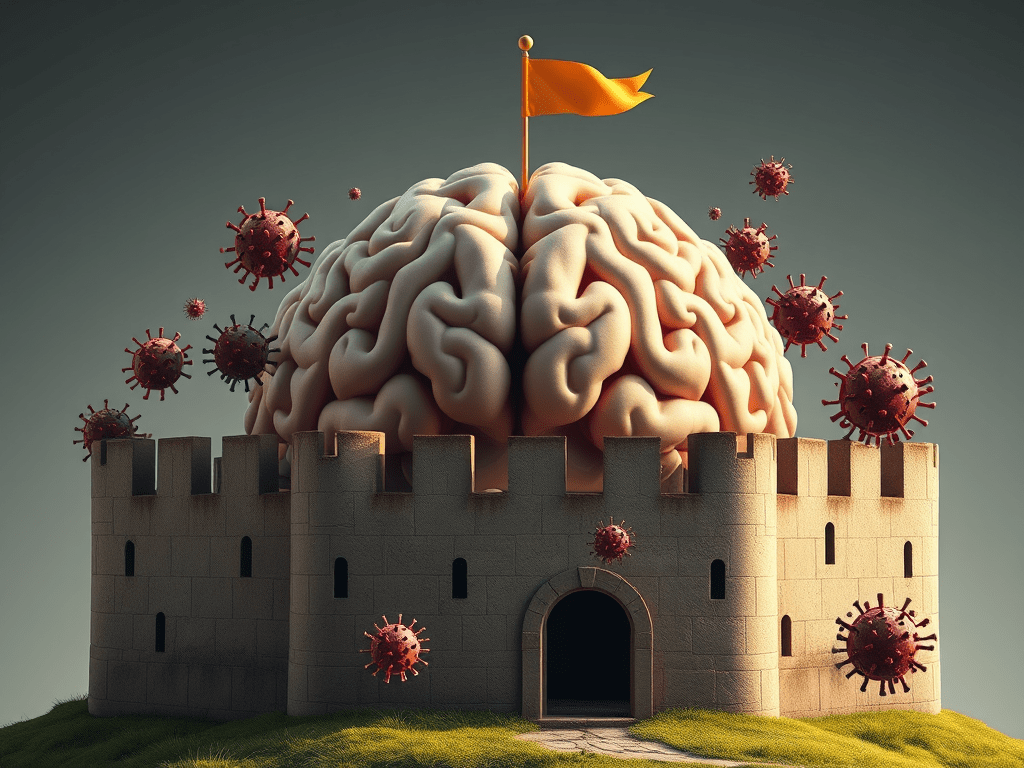
Prebunking is a proactive approach to misinformation that aims to prevent false beliefs before they take root, rather than trying to correct them after they’ve spread.
This strategy involves anticipating and addressing misinformation by exposing people to a weakened form of argument before they encounter the full-strength version.
It’s akin to a “vaccine” for the mind, providing a small dose of the misinformation in a controlled way to build cognitive resistance.
The origin of prebunking as a formal concept is not attributed to a single source or moment in time. However, it can be seen as an evolution of the field of inoculation theory, which was developed by social psychologist William J. McGuire in the 1960s. Inoculation theory uses the metaphor of a biological vaccine to describe how exposure to weakened forms of an argument can help people resist persuasion, just as a vaccine can help the immune system resist infection.
Yes, misinformation is a virus.
It’s naturally concerning how rapidly misinformation can spread in this digital age. The rise of fake news can be alarming and disconcerting, especially given the struggle to debunk these mistruths at the same speed. Yet, that’s where the concept of prebunking offers a comforting alternative.
That’s why this approach has gained interest as the digital age has made the spread of misinformation faster and more pervasive. With debunking often struggling to keep pace with the virality of false claims, prebunking presents an alternative strategy that seeks to curb the influence of misinformation at its source before it can cause harm.
Needless to say, both prebunking and debunking are important in this fight. Prebunking is a more forward-looking approach that tries to prevent harm by “immunizing” the public against false information, while debunking is necessary to address the misinformation that inevitably slips through and becomes widespread.
Now, let’s explore the found art of prebunking.
Prebunking methods
To effectively implement the prebunking strategy, one must familiarize themselves with its three fundamental methodologies.
1. Fact-based Prebunking
This approach directly addresses and corrects specific false claims or narratives before they gain traction. When we present accurate information and evidence, it aims to inoculate the public against particular pieces of misinformation that may surface. For instance, before a misleading story about a political figure can spread, a fact-based prebunk would provide the verified details to refute the false claim.
2. Logic-based Prebunking
This type of prebunking doesn’t just tackle specific false claims but instead focuses on educating people about the general tactics used to create and spread misinformation. It teaches individuals how to recognize flawed arguments, emotional manipulation, and misleading rhetoric. Once people understand these tactics, they become better equipped to critically evaluate information on their own, regardless of the topic.
3. Source-based Prebunking
This method involves highlighting unreliable sources of information. It educates the public about the characteristics of untrustworthy outlets, such as a lack of transparency, accountability, or a history of publishing false information. The key is to identify and question the credibility of the sources, so individuals are less likely to accept and disseminate information from these bad actors.
Each of these prebunking strategies serves to fortify the public’s defenses against the influence of misinformation by promoting media literacy and critical thinking.
Why Experts Need to Prebunk?
Prebunking is important for several reasons in our increasingly interconnected and digital world:
1. Information Overload: With the sheer volume of information available online, individuals are constantly bombarded with news, opinions, and potential misinformation. Prebunking helps people navigate this landscape more effectively by teaching them to identify credible sources and dismiss false claims.
2. Speed of Misinformation Spread: Misinformation often spreads faster and more widely than accurate information. Prebunking equips individuals with the critical thinking skills needed to evaluate information quickly, potentially stopping the spread of falsehoods before they go viral.
3. Cognitive Resilience: Once misinformation is accepted, it can be very difficult to correct. People tend to stick to their beliefs even when presented with contradictory evidence, a phenomenon known as the “backfire effect.” Prebunking builds cognitive resilience by preventing these false beliefs from taking hold in the first place.
4. Public Health and Safety: Misinformation can have real-world consequences, particularly in the context of public health (e.g., vaccine hesitancy) or safety (e.g., disaster response). Prebunking can help ensure that the public makes informed decisions based on accurate information, which is crucial in these domains.
5. Protecting Democracy: Misinformation can undermine democratic processes by influencing public opinion and election outcomes based on falsehoods. Prebunking promotes an informed electorate that can make decisions based on facts rather than manipulative or false narratives.
6. Social Cohesion: Misinformation can sow division and erode trust in institutions and among individuals. By fostering a shared foundation of factual understanding, prebunking can help maintain social cohesion and counteract the polarizing effects of misinformation.
7. Economic Impact: Misinformation can lead to poor decision-making that affects economies, such as panic buying or misinformed investments. Prebunking contributes to economic stability by promoting informed decision-making among consumers and investors.
Step-by-Step Guide to the Prebunking Process
This step-by-step process aims to proactively prevent the spread and impact of misinformation by preparing the public to recognize and reject it before they are exposed to it. But, prebunking is an ongoing effort that requires vigilance and adaptation to the ever-changing landscape of information dissemination.
For that reason, a step-by-step prebunking process typically involves the following stages:
1. Identify Potential Misinformation
- Monitor trending topics, social media, news outlets, and other sources to identify potential misinformation or the types of misinformation likely to emerge.
- Analyze historical patterns of misinformation in similar contexts to predict future instances.
2. Understand the Audience
- Research the target audience to understand their beliefs, values, and the media they consume.
- Identify the audience’s vulnerabilities to certain types of misinformation.
3. Develop Counter-Messages
- Craft clear and concise messages that preemptively address the potential misinformation.
- Use evidence-based information to create messages that are factual and easy to understand.
4. Inoculate Through Education
- Educate the audience on common misinformation tactics, such as emotional appeals, logical fallacies, and manipulation techniques.
- Provide examples of weakened misinformation (not strong enough to persuade but illustrative of the tactics used) to help the audience build cognitive resistance.
5. Engage with Trusted Sources
- Collaborate with credible experts, influencers, and organizations to disseminate prebunking messages.
- Ensure that the sources used are trusted by the target audience to increase the effectiveness of the prebunking effort.
6. Disseminate Prebunking Material
- Use various platforms, including social media, websites, and traditional media, to share prebunking messages.
- Tailor the dissemination strategy to the habits and preferences of the target audience.
7. Encourage Critical Thinking
- Promote media literacy and critical thinking skills that empower the audience to independently assess the credibility of information.
- Provide tools and resources that help people verify information and fact-check claims.
8. Monitor and Adapt
- Continuously monitor the spread of information and the public’s response to prebunking efforts.
- Collect feedback and data to assess the effectiveness of the prebunking campaign.
- Adapt the strategy as needed based on new developments or shifts in public sentiment.
9. Evaluate and Report
- Evaluate the success of the prebunking campaign by measuring changes in public awareness, attitudes, and behaviors.
- Report on the outcomes and learnings to improve future prebunking efforts.
Great Examples of Prebunking Initiatives
There are several examples of pre-bunking initiatives that have been implemented to combat misinformation:
Cambridge University’s Social Decision-Making Lab
Researchers at the University of Cambridge developed a game called Bad News where players take on the role of a fake news producer. The goal is to educate players about the techniques used in the creation and spread of misinformation, effectively inoculating them against real-world fake news.
The World Health Organization (WHO)
In anticipation of misinformation surrounding COVID-19 vaccines, the WHO released informational materials and social media content to educate the public about vaccine safety and efficacy. By preemptively addressing common concerns and myths, they aimed to strengthen public resilience against potential anti-vaccine misinformation.
The SIFT Method
The News Literacy Project promotes the SIFT method (Stop, Investigate the source, Find better coverage, Trace claims to the original context) as a way to pre-bunk misinformation. With these steps, the project aims to help individuals develop habits that protect them from falling for false information.
Google’s “Be Internet Awesome”
Google’s Be Internet Awesome program teaches kids the fundamentals of digital citizenship and safety, including how to spot and avoid misinformation.
The Trust Project
The Trust Project is an international consortium of news organizations that develop transparency standards to help readers identify trustworthy journalism. News sites that participate display “Trust Indicators” that provide insight into the news outlet’s ethics and fact-checking processes.
10 Ways To Apply Prebunking Methods
Prebunking methods generally focus on imparting critical thinking skills and awareness about misinformation tactics before exposure to false information. Here are some effective methods for pre-bunking:
1. Media Literacy Education
Teaching people media literacy, especially from a young age, so they know how to critically analyze media messages, understand the motives behind information, and distinguish between credible and non-credible sources.
Organizations like The News Literacy Project offer education programs to schools that teach students how to identify credible information, recognize bias, and understand the role of a free press.
2. Inoculation Theory
Analogous to a vaccine, exposing individuals to a weakened form of an argument (misinformation tactic) to build psychological resistance so that when they encounter the “real” misinformation, they can reject it.
Researchers have created and tested short videos that teach viewers about the common tactics used to spread misinformation, such as using emotionally charged language or posing false dichotomies. These videos have been shown to improve people’s ability to identify and disregard misleading content.
For instance, the online game Bad News developed by researchers at Cambridge University puts players in the role of a fake news creator to help them understand the tactics used to spread misinformation. By doing so, it “inoculates” them against real misinformation when they encounter it.
3. Interactive Games and Simulations
Games like Bad News or Cranky Uncle let players experience the creation and spread of misinformation, which helps them recognize and resist such tactics in real life.
4. Fact-checking Services
Promoting and supporting independent fact-checking organizations and tools that can provide quick verification of information, helping to build public trust in accurate sources.
Before major events like elections or during public health emergencies, organizations such as FactCheck.org or the WHO may release detailed anticipatory reports that address common myths and misinformation likely to be propagated around these events.
5. Preemptive Debunking
When misinformation is anticipated (e.g., around elections or public health crises), organizations can release information that debunks myths and false narratives before they have a chance to spread widely.
6. Critical Thinking Workshops
Conducting workshops that focus on evaluating evidence, understanding logical fallacies, and questioning the source and intent of the information.
Initiatives like Think Critically, which is a part of the Critical Thinking Project, offer workshops and resources to educators and the public to help develop critical thinking skills, which are essential for evaluating information.
7. Social Norms Campaigns
Creating campaigns that promote the social value of truthfulness and the stigma of sharing misinformation, thereby encouraging self-regulation and peer regulation within communities.
The “Stop. Think. Connect.” campaign is a global online safety awareness initiative that encourages safe online habits and critical evaluation of information before sharing it.
8. Digital Literacy
Educating users on how algorithms work and how they can create echo chambers or filter bubbles, which often reinforce and amplify misinformation.
9. Warning Labels and Trust Indicators
Implementing warning systems or trust indicators on social media platforms and websites that signal to users when information is unverified, disputed, or false.
Social media platforms like Facebook have implemented warning labels on posts that contain disputed or potentially misleading information, especially related to COVID-19 and elections, to alert users before they read or share content. In addition, the Poynter Institute’s International Fact-Checking Network (IFCN) collaborates with tech companies like Facebook and WhatsApp to provide fact-checking services and reduce the spread of misinformation on their platforms.
10. Collaboration with Tech Companies
Working with social media platforms and search engines to design better information environments that prioritize credible content and limit the spread of misinformation.
Prebunking is most effective when it is part of a broader strategy that includes debunking, fact-checking, and efforts to improve the overall information ecosystem. It’s also important to tailor pre-bunking methods to specific audiences and contexts to ensure they are engaging and relevant.
In summary
Prebunking stands as a critical tool in the modern arsenal against misinformation, equipping individuals with the skills to identify and reject false narratives before they spread. This proactive approach to information literacy is essential in a world where digital media can amplify unfounded claims at an unprecedented pace.
Educators and experts who adopt prebunking techniques are not just imparting knowledge; they are actively shaping a more discerning public.
As a result, people make decisions that contribute to the well-being of public health, the integrity of democratic processes, and the strength of social bonds.
Moreover, informed decision-making supports economic stability. In essence, prebunking is about fostering a resilient society that bases its choices on a foundation of verified facts, ready to navigate the complexities of the information age with confidence.
 Kimberly Yánez
Comment